Automated Claims Scrubbing
Claims are checked against payer-specific rules before submission, so common errors are caught and corrected early.
AI Automation
We use automation to speed up repetitive revenue cycle work and surface issues early — while keeping experienced billers in control of every decision that affects your revenue. Smart automation, human oversight.
AI Automation isn't a separate product you buy — it's the layer of rule checks, pattern detection and alerting built into the billing and revenue cycle services we already deliver. It handles the repetitive checking that slows billing teams down, then hands the exceptions to specialists who resolve them.
Nothing about it removes people from the process. Automation prepares and prioritises the work; certified billers review it.
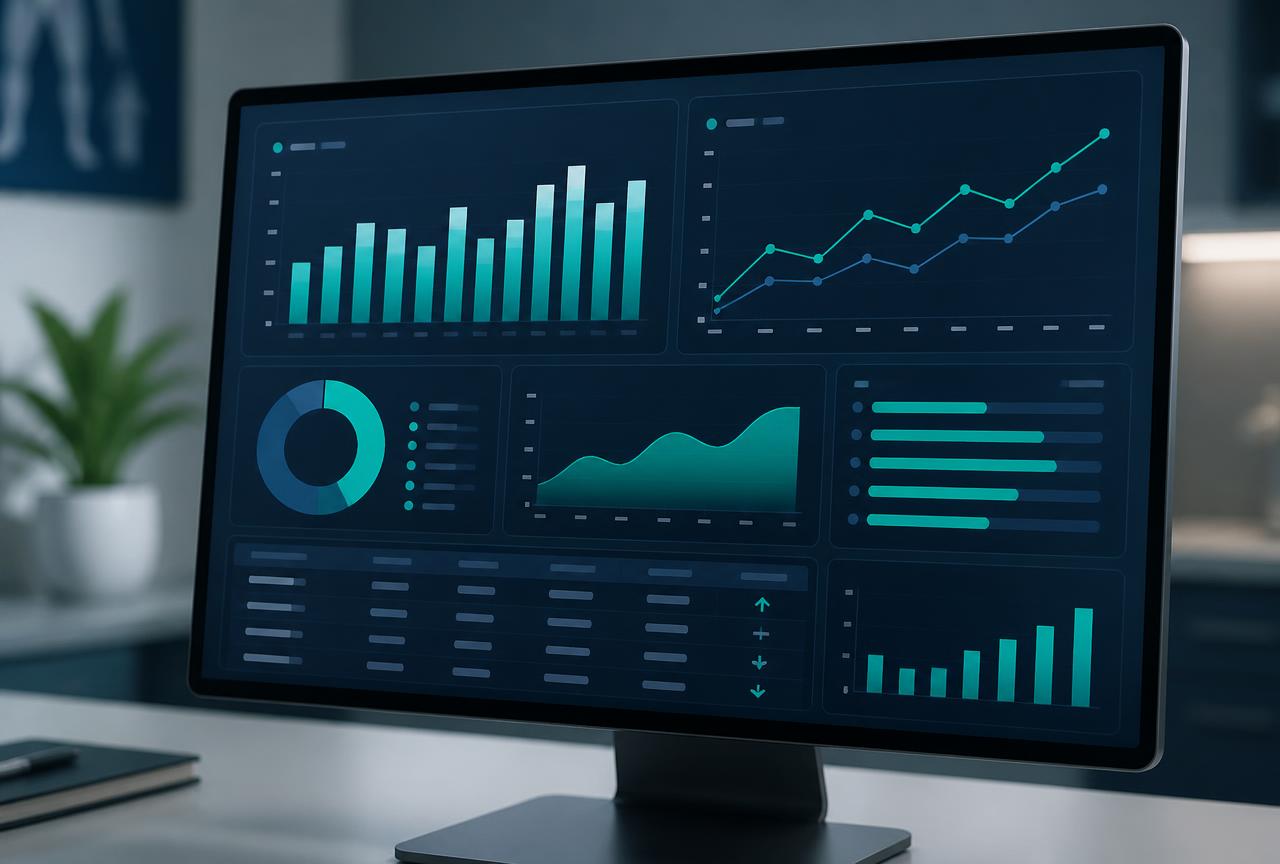
Claims are checked against payer-specific rules before submission, so common errors are caught and corrected early.
Automation surfaces likely codes based on documentation, but every suggestion is reviewed and confirmed by a certified human biller.
Denials are auto-categorized by root cause, making it easier to fix upstream issues and reduce repeat rejections.
Automated checks flag coverage gaps, expired authorizations, and claims that have stalled in aging buckets.
Rule checks run before submission instead of after a denial arrives, so correctable issues are handled while the claim is still in your hands.
Alerts surface coverage gaps, expiring authorizations and stalled claims early, rather than waiting for a manual report review.
Routine checks and categorisation are automated so billing specialists spend their time on exceptions, appeals and follow-up.
Grouping denials by cause makes upstream fixes obvious — a front-desk step, a documentation gap or a coding rule.
We follow HIPAA-alignment processes, use secure systems, and limit access to authorized staff.
Access to patient information is restricted to the staff who need it for billing operations.
We never store data longer than needed for billing operations.
Automation is used to assist trained specialists — never to make final clinical or coding determinations on its own.
Tell us how your practice bills today and which denials cause the most rework. We'll explain where automation helps and where a specialist still needs to step in.
Hi — I'm the CareEase assistant. Ask me anything about our medical billing and RCM services, or choose a question below.
Suggested questions